


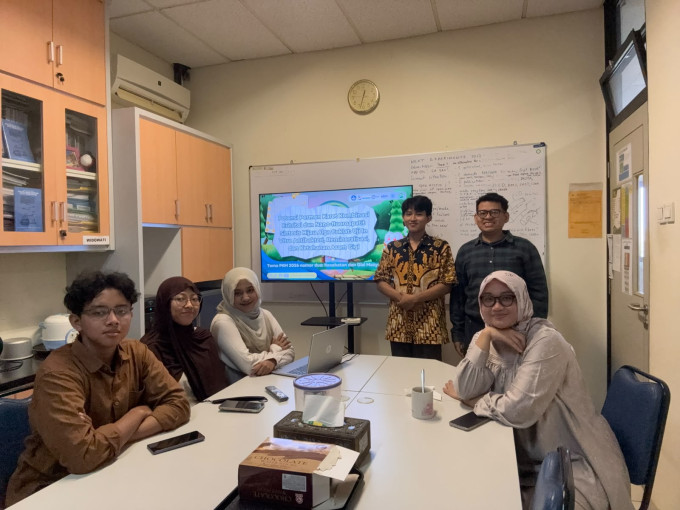
A team of Universitas Gadjah Mada (UGM) students participating in the 2026 Student Creativity Program in Exact Research (PKM-RE) has developed ChewMelo, a functional chewing gum containing erythritol and nano-fluorapatite (nFAp) designed to support tooth enamel remineralization and help inhibit bacteria associated with dental caries.
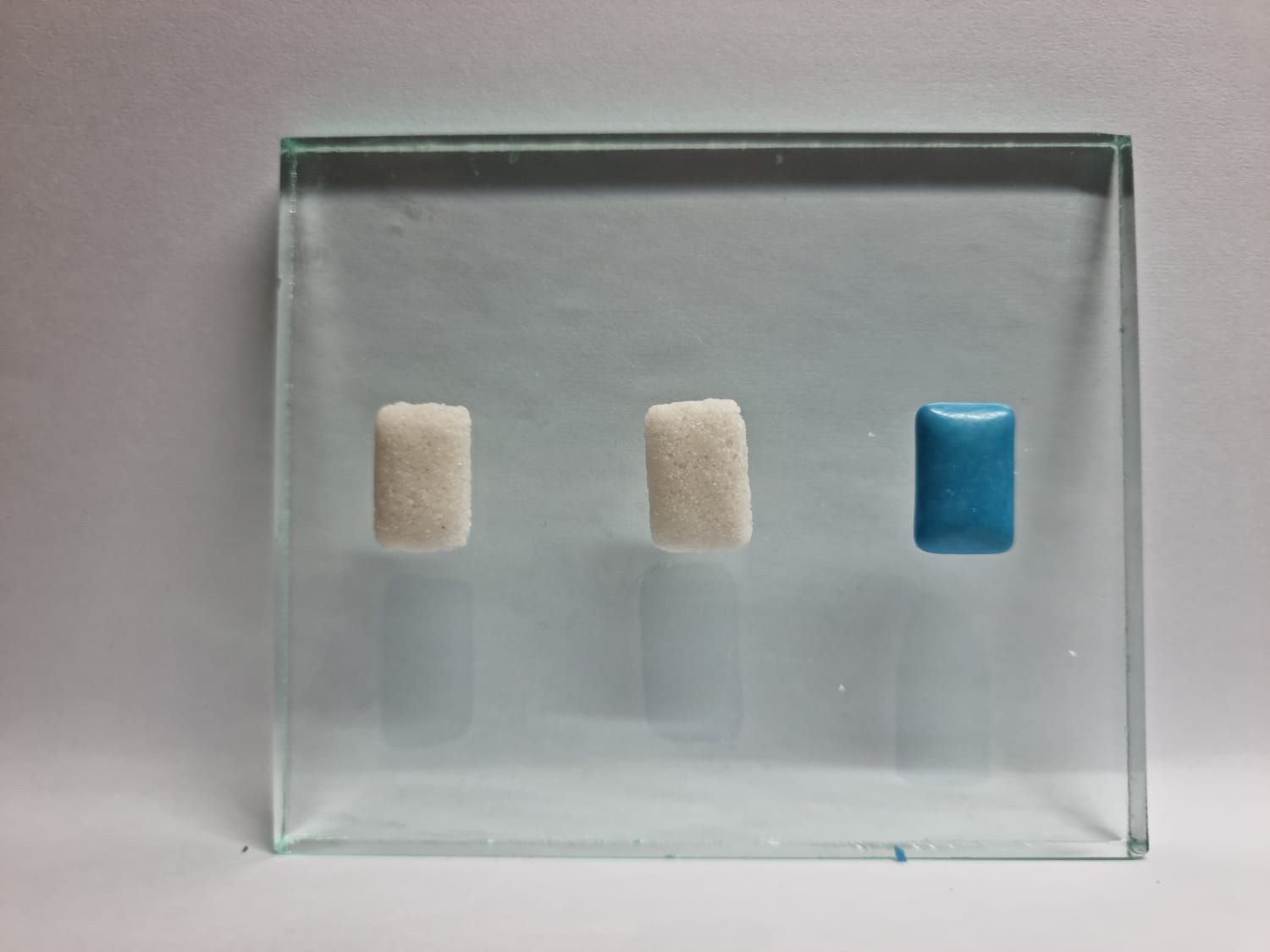
The innovation combines nano-fluorapatite, a source of calcium, phosphate, and fluoride ions needed for tooth enamel remineralization, with erythritol, a sugar alcohol shown to inhibit the growth of bacteria associated with dental caries.
The team developed ChewMelo as a practical way to incorporate oral health care into everyday routines. The nano-fluorapatite is produced using brown algae as a source of alginate through a green synthesis process, while erythritol is used as a tooth-friendly sweetener.
ChewMelo team leader Achmad Musa Nurhadi said the idea was inspired by the high prevalence of dental caries in Indonesia, particularly among adolescents and young adults. The team chose chewing gum as the delivery medium because it is already part of many people’s daily routines.
“We wanted to create a solution that fits naturally into people’s everyday habits, making it easier to adopt. Chewing gum is a product that many teenagers enjoy and consume regularly, giving it strong potential as a practical delivery system for active ingredients that help maintain oral health,” he said on Monday (July 27).
Unlike conventional chewing gum, ChewMelo combines nano-fluorapatite and erythritol to provide complementary oral health benefits.
Nano-fluorapatite supplies calcium, phosphate, and fluoride ions that are involved in the remineralization of tooth enamel. Erythritol, meanwhile, has been shown to inhibit the growth of bacteria associated with dental caries.
The team believes the combination has potential to help maintain tooth enamel and reduce the risk of enamel damage associated with demineralization.
To evaluate the product, the researchers conducted a series of laboratory tests. Antibacterial testing at the Microbiology Laboratory of the UGM Faculty of Pharmacy showed a reduction in the growth of Streptococcus mutans, a major bacterium associated with dental caries.
Meanwhile, remineralization testing at the Materials and Production Laboratory of the UGM Vocational College showed increased tooth enamel hardness after seven days of exposure to the chewing gum eluate. The testing also indicated that the treatment was able to maintain enamel hardness during pH cycling.
“These findings indicate that the chewing gum not only has the potential to inhibit the growth of bacteria associated with dental caries but may also support the tooth remineralization process,” Achmad said.
The research brought together students from several disciplines: Achmad Musa Nurhadi and Tsabita Puan Najla from Dentistry, Dimar Raihan Ganendra Putra from Pharmacy, Fajar Sindu Aji from Medicine, and Najwa Laili Fajri from Chemical Engineering. Dr. Dyah Anindya Widyasrini supervises the team.
The interdisciplinary nature of the team allowed the students to combine perspectives from health sciences, pharmacy, and materials engineering throughout the development process.
The research involved several stages, including the green synthesis of nano-fluorapatite, material characterization, chewing gum formulation, and biological activity testing.
One of the team’s main challenges was developing a chewing gum that remained elastic and comfortable to chew while maintaining the effectiveness of its active ingredients.
For the team, overcoming this challenge was an important part of developing ChewMelo into a practical oral health innovation.
The ChewMelo team is continuing to refine the product through further testing of calcium, phosphate, and fluoride ion release. These tests are intended to provide a more comprehensive assessment of the product’s potential to support tooth remineralization.
The researchers hope their findings can contribute to the development of practical preventive oral health products that make use of locally sourced materials and can eventually be adopted by the wider community.
Beyond the product itself, the project demonstrates how interdisciplinary student research can translate scientific concepts into practical approaches to everyday health challenges.
The ChewMelo team is also preparing its research for presentation at the 2026 National Student Scientific Week (PIMNAS).
Reporter: ChewMelo PKM-RE 2026 Team
Author: Triya Andriyani
Post-Editor: Jasmine Ferdian